If somebody says “the original Friday the 13th,” there is a good chance the picture in their head is a huge guy in a hockey mask. That picture belongs to the franchise. It does not belong to the first movie.
Sean S. Cunningham’s 1980 camp slasher built one of horror’s biggest names while leaving its future mascot mostly off the board. Jason Voorhees is the reason for the bloodshed, but he isn’t the adult killer stalking Camp Crystal Lake. The hockey mask isn’t here either. That doesn’t arrive until Part III. What the first movie actually gives us is a mystery killer, a grieving mother with a catastrophic coping strategy and a final reveal that franchise memory has almost swallowed whole.
The killer is Pamela Voorhees
The hands behind the murders belong to Pamela Voorhees, played by Betsy Palmer. Her son Jason drowned at Camp Crystal Lake years earlier, and Pamela blames inattentive counselors. When a new group tries to reopen the camp, she decides history should be prevented from repeating itself by, well, murdering practically everyone involved.
The movie hides her by using point-of-view shots, partial views of the killer and the basic assumption that whoever is doing this must be somebody we’ve already met. Pamela arrives late enough to seem like help. She is friendly to final survivor Alice for just long enough that the audience can feel the floor drop away when she starts talking about Jason.
It’s a fun reveal partly because modern viewers are carrying forty years of Jason iconography into a movie that hasn’t invented most of it yet. The franchise eventually made Jason the main attraction. The original is a movie about the wound his death left behind.
Jason is present — just not the way people remember
Jason matters to every piece of Pamela’s motive. We hear about his drowning, and the film closes with one of horror’s great “you thought it was over” jolts when a young, decayed Jason bursts from the lake toward Alice. Whether you read that exact moment as literal, dreamlike or trauma crashing into the final calm, it is the image that points the series toward its future.
But adult Jason doesn’t spend this movie lumbering between cabins. He doesn’t wield the franchise’s familiar visual identity. He certainly doesn’t wear a hockey mask. The sequel makes him the active killer; the third movie gives him the mask that eventually became recognizable to people who have never watched a single Friday.
The first movie is closer to a murder mystery than a Jason movie
Strip away what the sequels added and the structure is simple: counselors arrive at an isolated summer camp, somebody begins eliminating them, and the film keeps the killer’s identity hidden until the last stretch. The point-of-view stalking owes an obvious debt to slashers that came before it, but Friday the 13th pushes the formula toward a clean commercial machine: young cast, isolated location, gruesome effects and a calendar-ready title.
Tom Savini’s makeup effects are a huge part of why the movie had teeth. The kills don’t need an elaborate mythology. An arrow, an axe and a very unfortunate bunk-bed situation do the work. The effects give each death a nasty little exclamation point and helped establish the series’ long-running obsession with elaborate practical carnage.
That emphasis is important because Pamela herself isn’t superhuman. The original killer is a person. She’s driven by grief and rage, and she can be fought. The franchise later keeps finding ways to make Jason larger, tougher and eventually flat-out supernatural. The first film’s climax is messier and more human: two exhausted women fighting near a lake while Pamela slips between her own voice and the voice she imagines for her dead son.
Camp Crystal Lake is doing half the work
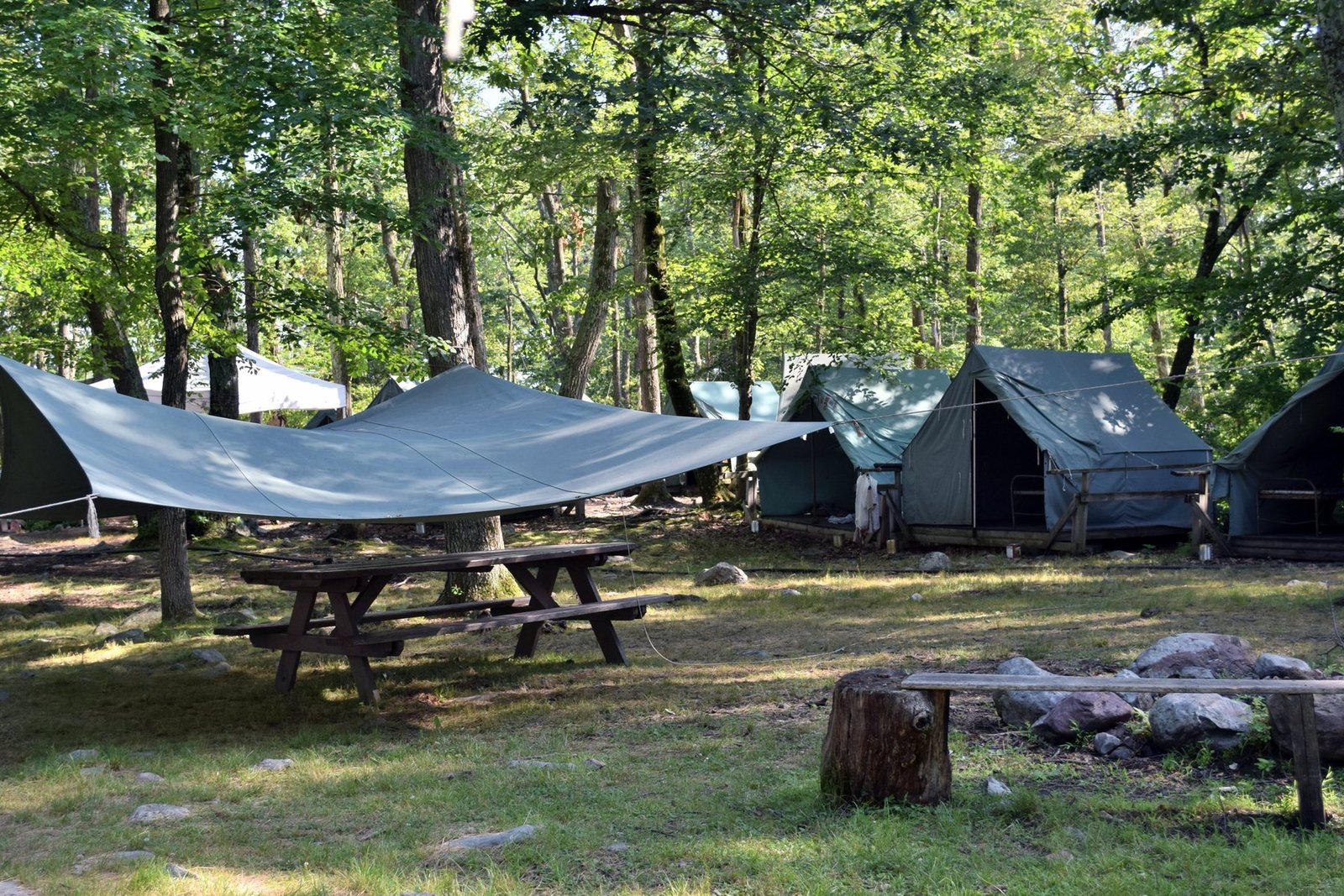
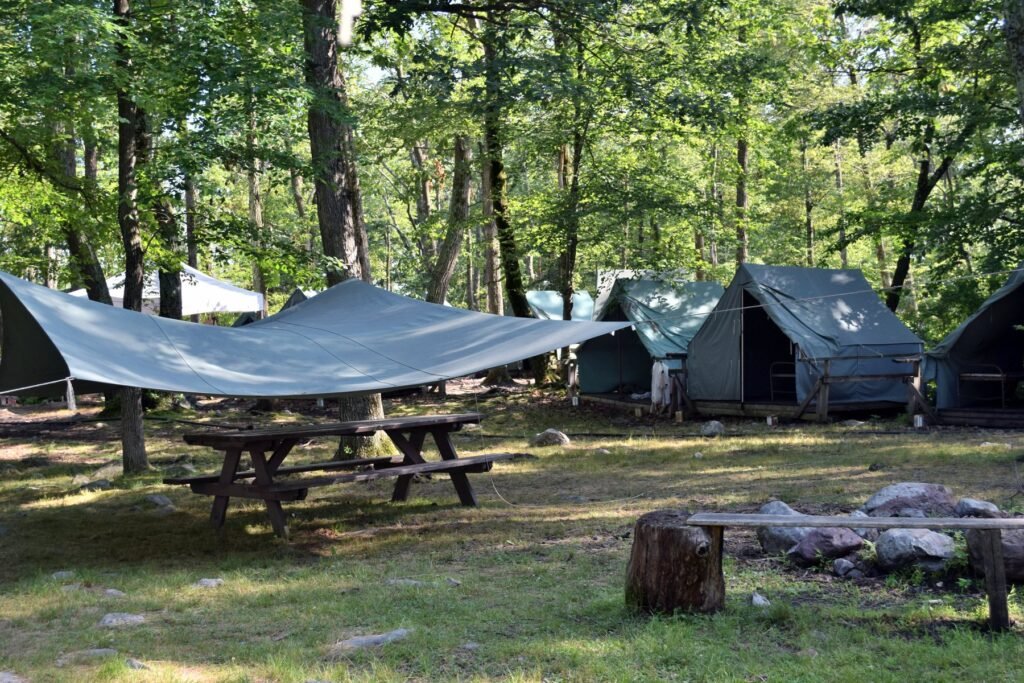
The real-world camp used for much of the film was Camp No-Be-Bo-Sco in New Jersey. On screen, the isolation turns ordinary summer-camp spaces into little traps. Cabins are separated by darkness. Rain cuts people off. The lake is both the camp’s prettiest feature and the site of the event that poisoned everything.
That’s why the series could keep returning to the Crystal Lake idea even when the mythology got increasingly wild. Camps are supposed to be temporary little communities. Parents leave. Phones are scarce. Teenagers spread out. A storm or broken vehicle can make the outside world feel a hundred miles away. The setup practically writes “bad idea” across every cabin door.
Why our memory replaced Pamela with Jason
Jason is easier to turn into an icon. He has a silhouette. He has a mask. He doesn’t need much dialogue. Put him on a poster and nobody has to explain the premise. Pamela’s reveal, meanwhile, only works if the audience doesn’t already know exactly who she is.
Sequels naturally followed the more reusable image. By the time Jason had appeared across movie after movie, games, toys, T-shirts and Halloween costumes, the franchise had overwritten its own starting point in pop culture. Ask someone to draw Friday the 13th and they will draw the hockey mask. The original film would have no idea what they’re talking about.
Watch the trailer
So, yes: you probably remember it wrong
That’s not a knock on the movie. It’s actually one of the reasons returning to it is fun. You get to watch a franchise before it knows what it is going to become. There is no hockey mask, no undead tank of a killer and no complicated resurrection logic. There is a camp, a tragedy, a mother and a terrible night.
Jason eventually inherited the family business. Pamela opened the shop.
Leave a Reply