
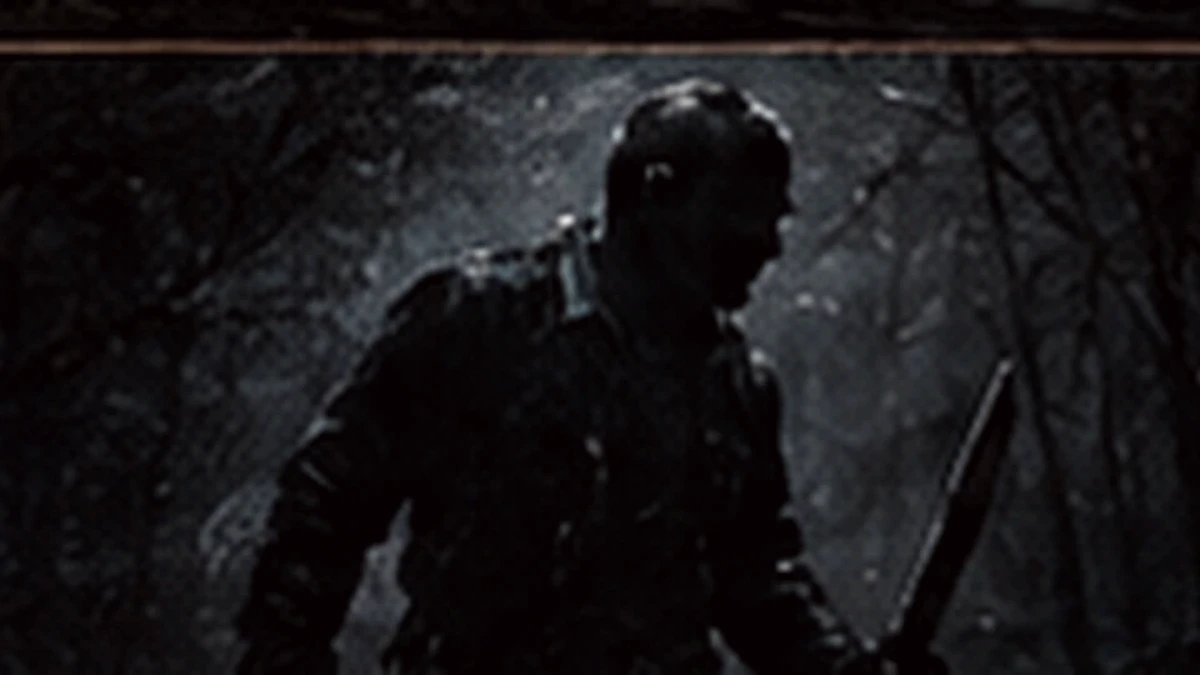
The Final Chapter arrives with an impossible assignment: behave like the last Friday the 13th movie while delivering exactly the kind of experience that made audiences keep buying tickets.
A finale built from escalation
By 1984 the series had already established its basic grammar—isolated young people, Crystal Lake mythology, practical gore and a killer who could absorb punishment. Director Joseph Zito’s film tightens that machinery instead of dismantling it. Jason is more forceful, the kills are staged as physical events rather than abstract threats, and the neighboring Jarvis family gives the movie a stronger domestic counterweight than the franchise usually allows.
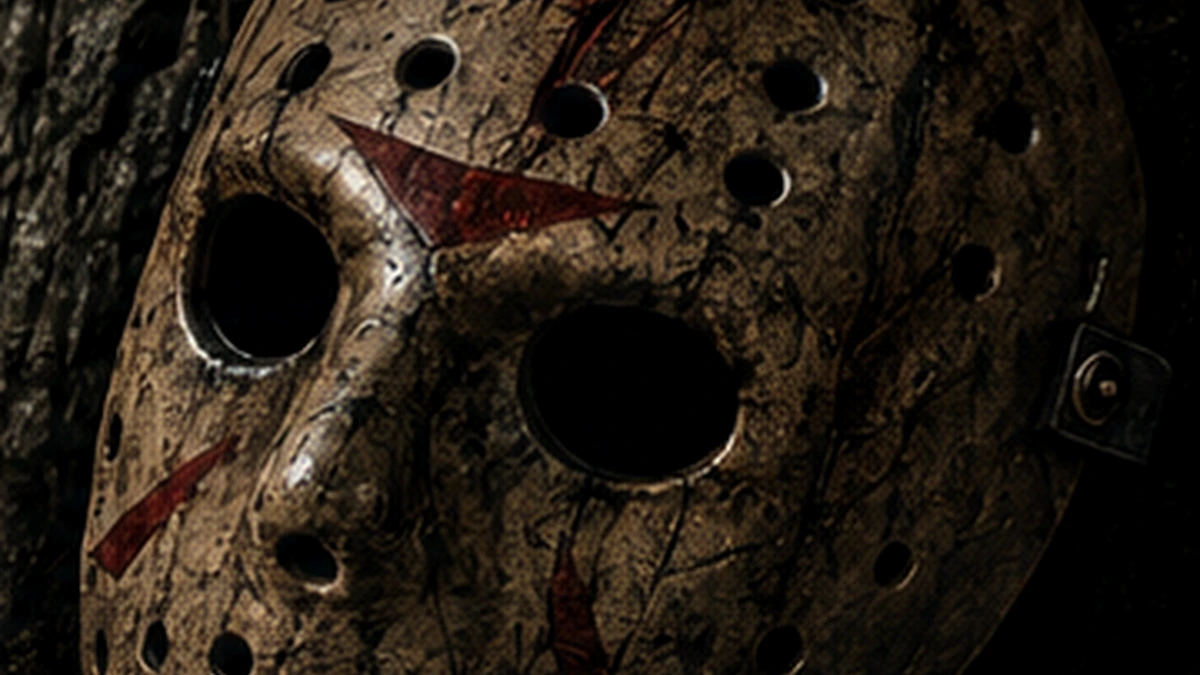
Tom Savini returns to finish what he started
Tom Savini’s effects work links the movie directly back to the tactile shock of the 1980 original. That matters because “ending” Jason is not simply a plot beat; it has to feel materially convincing. The film leans into wounds, impacts and a final confrontation designed to look decisive.
Tommy Jarvis changes the shape of the ending
The introduction of Tommy gives the finale a character who can survive it and carry psychological damage forward. His fascination with masks and monster-making mirrors the franchise’s own obsession with faces, disguise and constructed horror. The final attack on Jason is violent enough to promise closure while Tommy’s reaction leaves a door open.
That tension explains why the title became ironic almost immediately. The movie functions as a climax, but it also creates new material: Tommy, a more mythic Jason image, and a fan-favorite blend of pace and practical carnage. Friday the 13th tried to stop—and accidentally demonstrated why it could continue.
Leave a Reply