The creature in John Carpenter’s The Thing can split open, sprout teeth, imitate a dog, wear your friend’s face and turn a medical emergency into the worst CPR lesson ever filmed. Somehow, that still is not the scariest part.
The scariest part is sitting beside somebody you have known for months and realizing you have no reliable way to prove they are still themselves.
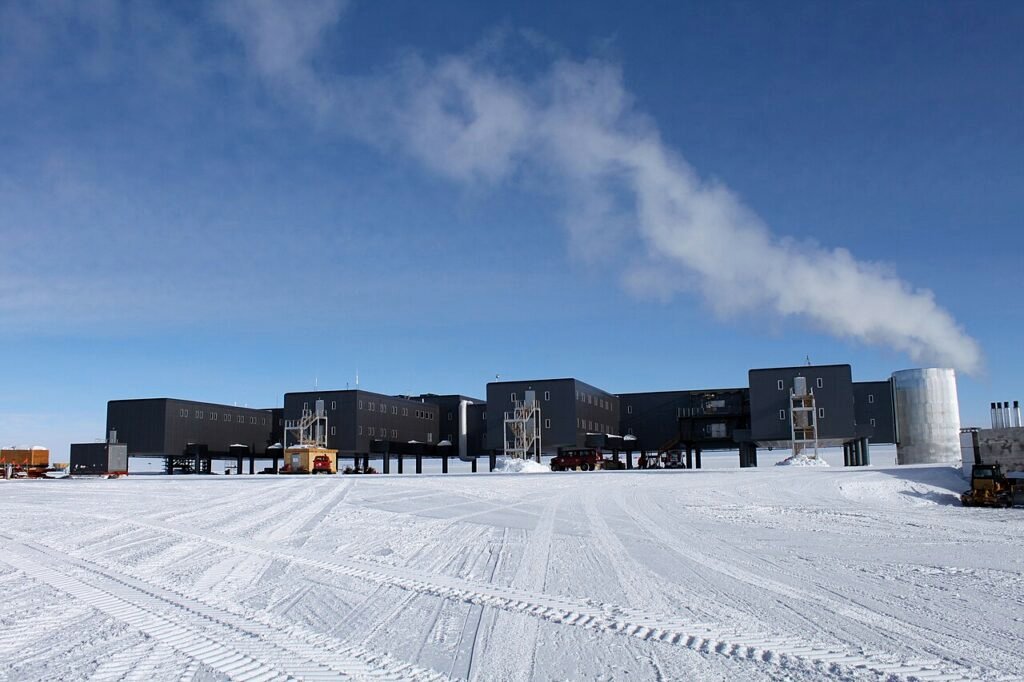
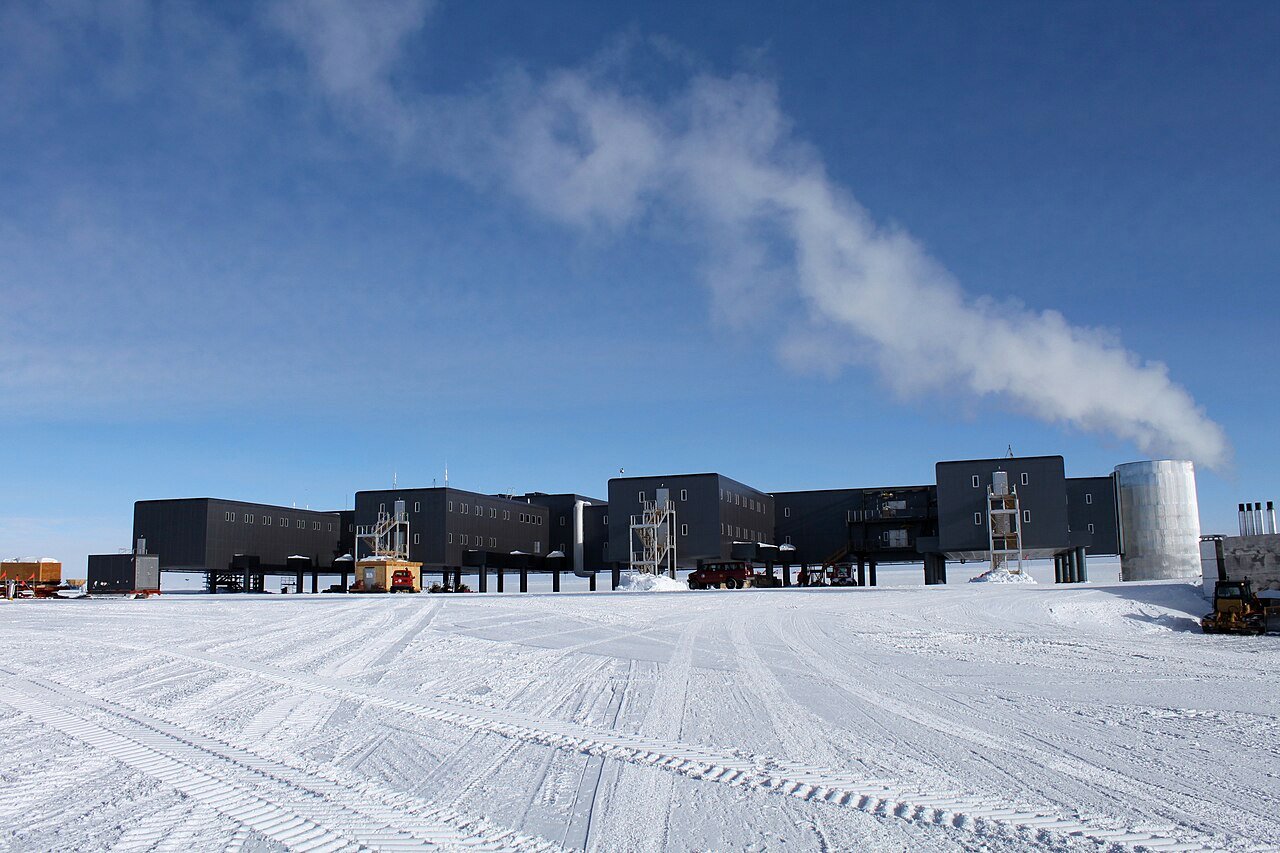
Antarctica does half the killing before the Thing even starts
Outpost 31 is isolated enough that normal social rules become fragile. There is nowhere to walk away to, no neighboring police station, and no quick ride into town after an argument. Outside is lethal cold. Inside is a shrinking collection of people who have to share food, rooms, tools and trust.
Carpenter uses that geography like a pressure cooker. The men can radio for help only until the weather and equipment stop cooperating. They can search the station, but every search creates another opportunity for somebody to be alone. The more precautions they take, the more suspicious those precautions look.
That is why the Antarctic setting matters beyond the snow. The monster does not need to lock the doors. The continent already did.
The Thing is terrifying because imitation beats identification
A conventional monster gives the group a useful advantage: everybody can point at it.
The Thing does the opposite. It absorbs and imitates living organisms so convincingly that a copy can talk, remember enough to pass socially, and stand in the room accusing somebody else. Once the group understands that, every human face becomes evidence with a question mark attached.
The movie’s paranoia is not abstract. It changes behavior. People stop wanting to be alone with each other. MacReady makes rules about moving in groups. Weapons become necessary and dangerous at the same time. Somebody holding a flamethrower may be the safest person in the room, unless he is the Thing.
There is no comfortable position.
Rob Bottin’s effects make biology feel illegal
The practical creature work is famous for a reason. The Thing rarely settles into one signature silhouette. It keeps becoming temporary nightmares: a dog that opens like a flower made of meat, a head that tears itself free, legs that appear where legs have absolutely no business appearing.
That instability is the design.
If the creature had one final monster suit, the audience could learn it. Instead, every transformation implies the Thing is improvising with whatever anatomy is available. A mouth is just a useful opening. A head is just material. Bones are apparently suggestions.
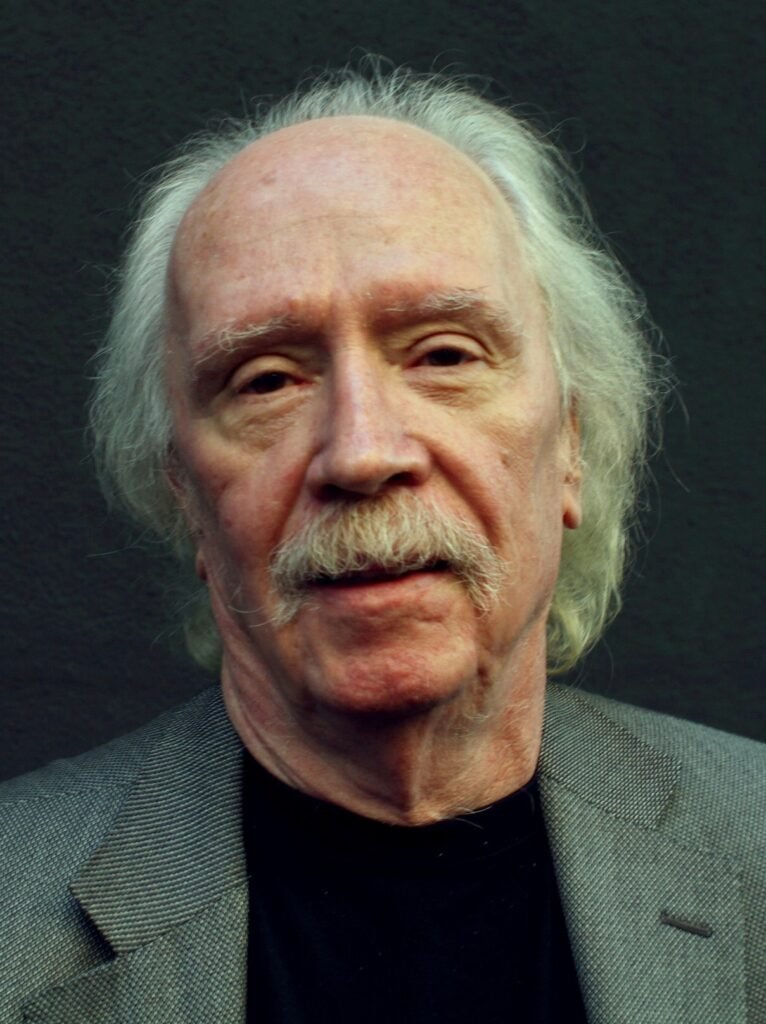
John Carpenter’s direction gives those effects room to be disgusting, but he does not turn the whole movie into an effects reel. Long stretches are men watching each other, arguing, waiting and thinking. Then the film cashes in that tension with something like the Norris sequence, where a defibrillator attempt produces a chest cavity with opinions.
It is funny for approximately half a second. Then it is extremely not.
The blood test is a perfect horror scene because the logic is clear
MacReady’s solution is wonderfully crude. If every piece of the Thing is its own organism fighting to survive, then separated blood should react when threatened. Heat a wire. Touch each blood sample. See what tries to escape.
Most horror plans are complicated by somebody behaving irrationally. This one is frightening because the plan is rational and the situation is still awful.
The men are tied down. MacReady is holding the hot wire. Everyone understands exactly what a positive result will mean. The test keeps returning nothing, which makes each new sample worse. Suspense accumulates in tiny metal clicks and nervous faces.
Then one dish jumps.
That release works because the movie made us understand the rules before breaking the room apart.
It also understands that trust is a resource
By the final act, the group has lost more than people. It has lost the ability to coordinate confidently. Every death, disappearance and accusation consumes trust. Even correct suspicions damage the group because nobody can confirm they are correct until something sprouts tentacles.
That is a nasty little social engine. The Thing wins simply by being possible.
Once infection is plausible, every hesitation looks suspicious. Every confident order sounds authoritarian. Every attempt to protect yourself can endanger everyone else. The monster turns basic survival behavior into evidence.
Then Carpenter refuses to give us a clean answer
MacReady and Childs sit in the burning ruins at the end. The station is destroyed. Rescue is uncertain. One or both men may be human. One may not be. Neither has a reliable test left.
The movie does not need to whisper the solution into our ear. The ambiguity is the final form of the premise.
If the entire story is about the horror of not knowing who is human, ending with a certificate of authenticity would be weirdly polite.
Watch one of the movie’s nastiest scenes
The monster is spectacular. The suspicion is permanent.
The Thing is easy to celebrate as a practical-effects masterpiece because the creature work is impossible to forget. But those effects land because Carpenter builds a movie where the real question is not “what does the monster look like?”
It is “what would count as proof that the person next to you is still a person?”
Forty-plus years later, the answer remains: apparently not much.
So the next time somebody calls The Thing a creature feature, agree with them. Then quietly move your chair a little farther away.
Leave a Reply